Grower-first engineering begins
Application teams start connecting lamp behavior with real canopy geometry and crop cycles.
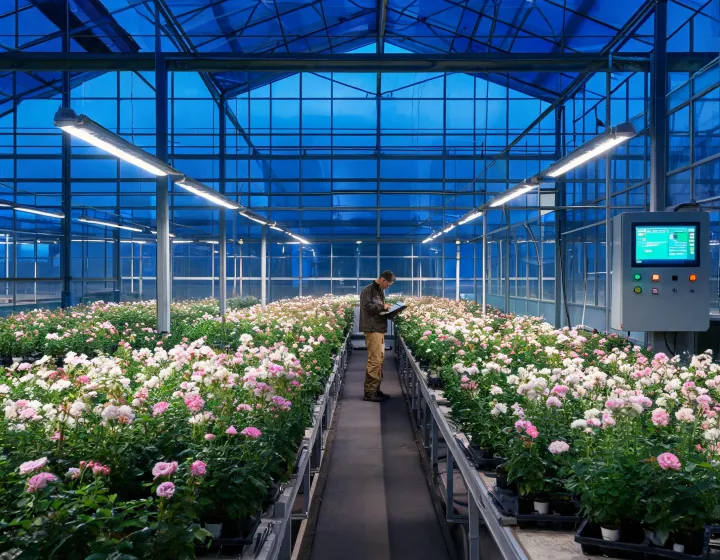
Coordinate spectrum, PPFD, photoperiod and controls around the crop—not around a generic fixture schedule.
Application teams start connecting lamp behavior with real canopy geometry and crop cycles.
Uniformity studies and documented light plans become central to commercial project review.
Tunable channels expand the conversation from wattage to spectral power distribution.
Sensor inputs, zone scheduling and energy awareness converge in one commissioning path.
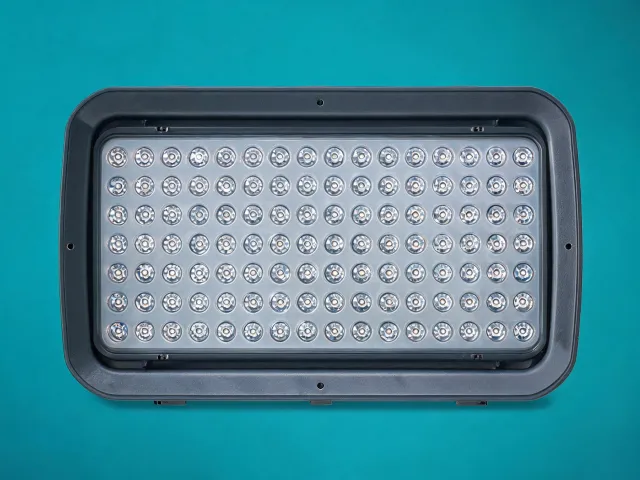
Mounting height, row spacing and beam behavior are evaluated together so average PPFD does not conceal weak edges or hot spots. The result is a plan that can be discussed in crop terms and checked after installation.
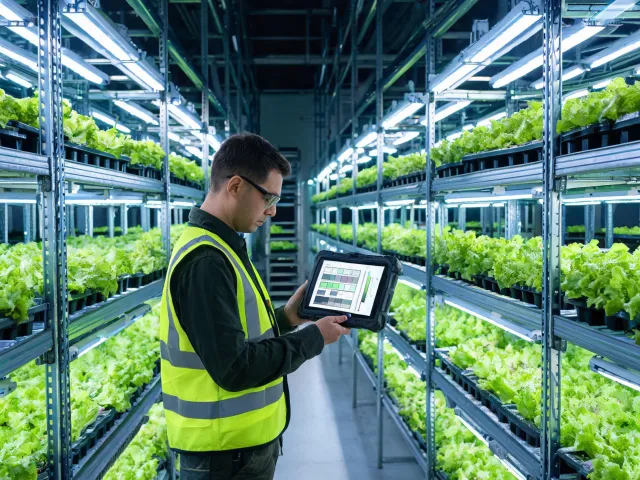
Grouped dimming, occupancy logic and environmental inputs create a practical operating layer. Teams can align photoperiod with labor windows, utility constraints and crop-stage targets without rebuilding the electrical architecture.
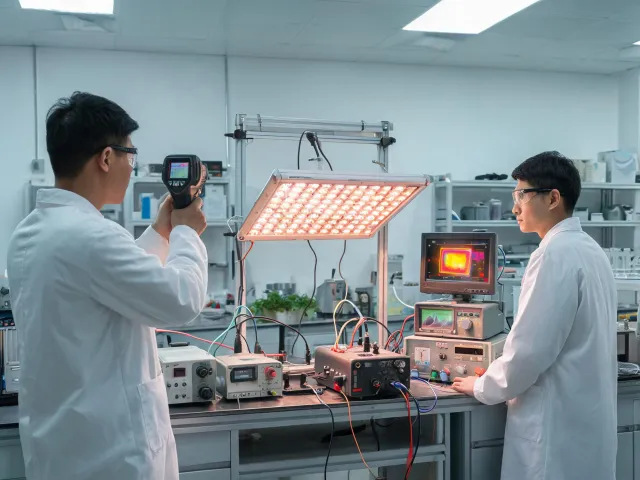
Heat-sink design, driver loading and ambient conditions influence photon maintenance. We frame those variables during selection so maintenance planning is based on operating conditions rather than a nameplate lifetime alone.

Recover daily light integral when weather closes in.

Control uniformity where every centimeter affects density.

Repeat spectral and photoperiod conditions across trials.

Tell us the crop, footprint, mounting constraints and operating hours. We will help organize the next technical questions.